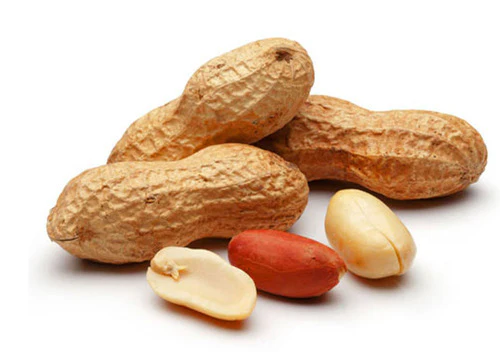


Moongphali (Peanut / Groundnut) is one of the most popular and nutrient-dense legumes in the world — often eaten roasted, boiled, or as peanut butter. Despite being small, it’s a powerhouse of protein, healthy fats, and essential nutrients that benefit your heart, brain, skin, and more.
Here’s a detailed guide to the health benefits of moongphali
Peanuts are packed with vital nutrients, including:
Protein: ~25–30% — helps build muscles and repair tissues
Healthy fats: Mostly monounsaturated and polyunsaturated fats (heart-healthy)
Fiber: Promotes digestion and gut health
Vitamins: E, B1, B3, B6, and folate
Minerals: Magnesium, phosphorus, potassium, zinc, and iron
100 g roasted peanuts = ~560 calories, 26 g protein, 16 g carbs, 49 g fat (mostly healthy).
Excellent plant-based protein source for vegetarians.
Supports muscle growth and recovery — great for athletes and active individuals.
Manganese and magnesium also aid energy metabolism.
Rich in monounsaturated fats, similar to those in olive oil, which help lower bad cholesterol (LDL).
Resveratrol and niacin in peanuts improve blood flow and reduce the risk of heart disease.
Regular consumption (in moderation) supports healthy blood pressure and heart rhythm.
The fiber in moongphali helps regulate bowel movements and supports healthy gut bacteria.
Boiled peanuts are easier to digest than roasted ones for sensitive stomachs.
Contains niacin, folate, and resveratrol — all beneficial for brain function and memory.
The vitamin E and antioxidants protect brain cells from oxidative damage.
High protein + high fiber = keeps you full for longer, reducing unhealthy snacking.
Studies show moderate peanut consumption may support healthy weight rather than cause gain.
(However, avoid salted or fried peanuts — opt for dry-roasted or boiled instead.)
Vitamin E and biotin (B7) nourish the skin and strengthen hair.
Healthy fats help maintain glowing, hydrated skin.
Iron and folate help prevent anemia.
Magnesium and copper support oxygen transport and enzyme activity in blood formation.
Peanuts contain resveratrol, coumaric acid, and flavonoids, which help protect against oxidative stress, aging, and chronic diseases.
Zinc and arginine support reproductive health and hormone balance.
For women, folate supports fertility and fetal development during pregnancy.
Some people are allergic to peanuts — this can cause severe reactions.
High in calories — moderation is key (a handful = ~30 g per serving).
Avoid salted, fried, or sugar-coated peanuts for best health benefits.
Store properly — peanuts can develop aflatoxin (a harmful mold toxin) if kept in humid conditions.
| Benefit | Description |
|---|---|
| Muscle Growth | High in protein and healthy fats |
| Heart Health | Rich in monounsaturated fats |
| Weight Control | Increases fullness, reduces cravings |
| Brain Support | Niacin, folate, antioxidants |
| Skin & Hair | Vitamin E and biotin boost health |
| Blood Support | Iron, copper, and folate improve blood quality |