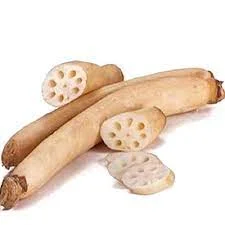


Lotus Stem (Kamal Kakdi / Nadru / Bhein) — the edible stem of the lotus plant — is a crunchy, mildly sweet, and highly nutritious vegetable used in Indian, Chinese, and Southeast Asian cuisines.
It’s not only delicious in curries and stir-fries but also packed with vitamins, minerals, and healing properties recognized in Ayurveda and modern nutrition alike.
Here’s a detailed look at the health benefits of lotus stem
Lotus stem is a low-calorie, high-fiber vegetable rich in essential nutrients:
Vitamin C – boosts immunity and collagen production
Vitamin B6 (Pyridoxine) – supports metabolism and nerve function
Potassium – helps control blood pressure
Iron & Copper – aid in blood formation
Dietary Fiber – improves digestion
Manganese & Zinc – support enzyme and bone health
100 g cooked lotus stem ≈ 75 kcal, 4 g fiber, 2.5 g protein, 17 g carbs.
Vitamin C content boosts the immune system and helps fight infections.
Its antioxidants protect the body from free radicals and inflammation.
Potassium helps regulate blood pressure and heartbeat.
Fiber reduces cholesterol absorption, promoting cardiovascular health.
High fiber content supports bowel movement and prevents constipation.
The mild astringent property of lotus stem also soothes the digestive tract and may relieve diarrhea.
Rich in iron and copper, both essential for producing red blood cells.
Helps prevent anemia, fatigue, and low energy.
Also supports healthy oxygen flow to organs.
Low in calories but high in fiber → keeps you full longer.
Supports fat metabolism due to its vitamin B6 content.
Vitamin C supports collagen production, keeping the skin youthful and firm.
Antioxidants fight skin damage and pigmentation.
Vitamin B6 helps produce neurotransmitters like serotonin and dopamine — improving mood and mental clarity.
Also helps relieve stress and mild depression.
Contains minerals like calcium, copper, phosphorus, and manganese, which promote bone density and strength.
In Ayurveda, lotus stem is considered “sheetal” (cooling) and tridosha-balancing.
Helps detoxify the liver and maintain body fluid balance — especially beneficial in summer.
Always wash and cook thoroughly — raw or unclean lotus stems (from stagnant water) may carry parasites or bacteria.
Avoid excess if you have low blood pressure, as it may slightly reduce BP due to potassium.
People with digestive sensitivity should start with small amounts — fiber can be heavy if eaten in large portions.
Indian style: Kamal kakdi curry, pickles, or stir-fried with spices
Asian style: Stir-fried lotus stem with soy sauce, sesame, or chili
Snacks: Crispy lotus stem chips
Soups: Adds crunch and nutrients to broths
| Benefit | Description |
|---|---|
| Immunity | Vitamin C & antioxidants boost defense |
| Heart Health | Potassium & fiber regulate BP & cholesterol |
| Digestion | High fiber, gentle on the gut |
| Blood Health | Iron & copper boost RBCs |
| Skin | Collagen support from vitamin C |
| Brain & Nerves | B6 supports neurotransmitters |
| Detox | Cooling and cleansing in Ayurveda |